To give you the best possible experience, this site uses cookies. Using your site means your agree to our use of cookies. We have published a new cookies policy, which you should need to find out more about the cookies we use. View Cookies Policy.
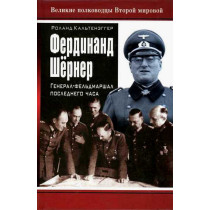
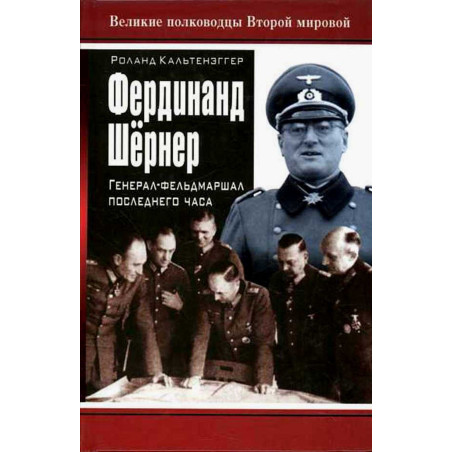
Ferdinand Schoerner was a General and later Field Marshal in the German Army during World War II. He was one of 27 people to be awarded the Knight's Cross of the Iron Cross with Oak Leaves, Swords and Diamonds and one of the youngest German generals. He was also known for his brutality.
Ferdinand Schoerner was a General and later Field Marshal in the German Army during World War II. He was one of 27 people to be awarded the Knight's Cross of the Iron Cross with Oak Leaves, Swords and Diamonds and one of the youngest German generals. He was also known for his brutality.
An interesting series exploring the history of Russian/Soviet special services. The authors are often working with archival materials never before published.
An interesting series exploring the history of Russian/Soviet special services. The authors are often working with archival materials never before published.
First hand accounts from authors, who served as peacekeepers in the Balkans as military observers, policemen, etc during the Yugoslav crises of the 1990s.
First hand accounts from authors, who served as peacekeepers in the Balkans as military observers, policemen, etc during the Yugoslav crises of the 1990s.
The Soviet Navy during the Cold War experienced both victories and tragedies. The newest book by the author Nikolai Cherkashin examines explosions, collisions, catastrophes, mutinies and groundings.
The Soviet Navy during the Cold War experienced both victories and tragedies. The newest book by the author Nikolai Cherkashin examines explosions, collisions, catastrophes, mutinies and groundings.
The author of the book began the war as a tank commander (KV-1S) and then served as the commander of a series of self-propelled artillery units (SU-122, SU-85) and ended the war commanding a T-34-85. He fought from Stalingrad to Koenigsberg.
The author of the book began the war as a tank commander (KV-1S) and then served as the commander of a series of self-propelled artillery units (SU-122, SU-85) and ended the war commanding a T-34-85. He fought from Stalingrad to Koenigsberg.
An air battle tactic first used in 1914 (by a Russian pilot), ramming the enemy's aircraft with your own was a last-ditch effort to stop a bombing raid. Russian pilots used this tactic over 1000 times during World War Two - often if their airplane was already damaged or out of ammunition. Unlike a kamikaze, these were not considered suicide missions, as the pilot might try to bail out after...
An air battle tactic first used in 1914 (by a Russian pilot), ramming the enemy's aircraft with your own was a last-ditch effort to stop a bombing raid. Russian pilots used this tactic over 1000 times during World War Two - often if their airplane was already damaged or out of ammunition. Unlike a kamikaze, these were not considered suicide missions, as the pilot might try to bail out after...
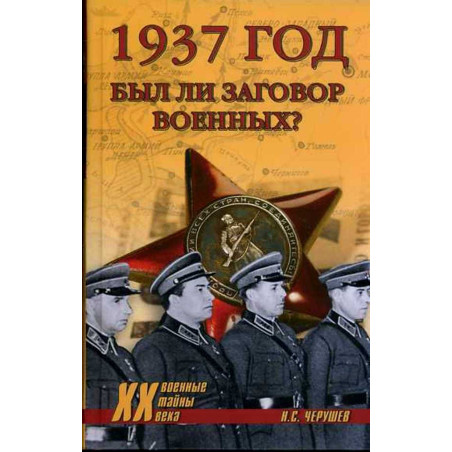
The 1930s constitute one of the tragic periods of Soviet history. In fact, at that time the country was in a state of civil war. The confrontation between the ‘upper classes and the lower classes’ can be considered an indisputable fact, and the result of this confrontation were millions of people – arrested, shot, exiled. Numerous trials of wreckers, spies, saboteurs, i.e. ‘enemies of the...
The 1930s constitute one of the tragic periods of Soviet history. In fact, at that time the country was in a state of civil war. The confrontation between the ‘upper classes and the lower classes’ can be considered an indisputable fact, and the result of this confrontation were millions of people – arrested, shot, exiled. Numerous trials of wreckers, spies, saboteurs, i.e. ‘enemies of the...





![Nashi mirotvortsy na Balkanakh [Our Peacekeepers in the Balkans]](https://bergstrompressbooks.com/5002-home_default/nashi-mirotvortsy-na-balkanakh-our-peacekeepers-in-the-balkans-.jpg)
![Nashi mirotvortsy na Balkanakh [Our Peacekeepers in the Balkans]](https://bergstrompressbooks.com/5002-medium_default/nashi-mirotvortsy-na-balkanakh-our-peacekeepers-in-the-balkans-.jpg)



![Desiat' let i dvadtsat' dnei [Zehn Jahre und zwanzig tage]](https://bergstrompressbooks.com/3172-home_default/desiat-let-i-dvadtsat-dnei-zehn-jahre-und-zwanzig-tage-.jpg)
![Desiat' let i dvadtsat' dnei [Zehn Jahre und zwanzig tage]](https://bergstrompressbooks.com/3172-medium_default/desiat-let-i-dvadtsat-dnei-zehn-jahre-und-zwanzig-tage-.jpg)