To give you the best possible experience, this site uses cookies. Using your site means your agree to our use of cookies. We have published a new cookies policy, which you should need to find out more about the cookies we use. View Cookies Policy.
In the last few years, many books taking a critical look at Marshall Zhukov have been published in Russia. The author of this book, Aleksei Isaev, seeks to rebut some of the claims he considers unfounded.
In the last few years, many books taking a critical look at Marshall Zhukov have been published in Russia. The author of this book, Aleksei Isaev, seeks to rebut some of the claims he considers unfounded.
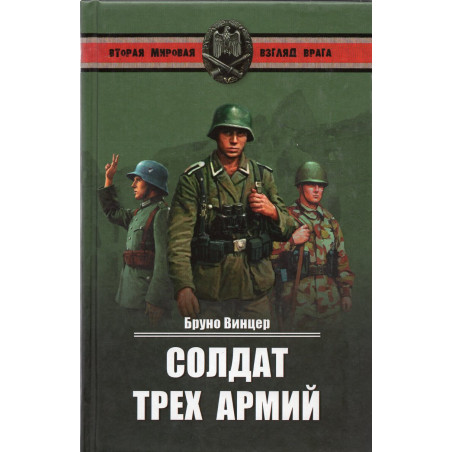
Мемуары немецкого офицера, в которых автор рассказывает о своей службе в рейхсвере, гитлеровском вермахте и бундесвере. В 1960 году Бруно Винцер, штабс-офицер бундесвера, тайно покинул Западную Германию и перешел на территорию Германской Демократической Республики, где издал эту книгу - историю своей жизни.
Мемуары немецкого офицера, в которых автор рассказывает о своей службе в рейхсвере, гитлеровском вермахте и бундесвере. В 1960 году Бруно Винцер, штабс-офицер бундесвера, тайно покинул Западную Германию и перешел на территорию Германской Демократической Республики, где издал эту книгу - историю своей жизни.
Rudolph Peterskhagen was a colonel in the Knights Cavalier and was gravely wounded near Stalingrad. After his recovery he was named commander of the city of Greifsvald [Neuenkirchen, Germany]. In the spring of 1945, not wanting more senseless death, Peterskhagen gave the city to the Red Army. This was the only instance in which the Red Army took a city without combat. In the early 1950's,...
Rudolph Peterskhagen was a colonel in the Knights Cavalier and was gravely wounded near Stalingrad. After his recovery he was named commander of the city of Greifsvald [Neuenkirchen, Germany]. In the spring of 1945, not wanting more senseless death, Peterskhagen gave the city to the Red Army. This was the only instance in which the Red Army took a city without combat. In the early 1950's,...
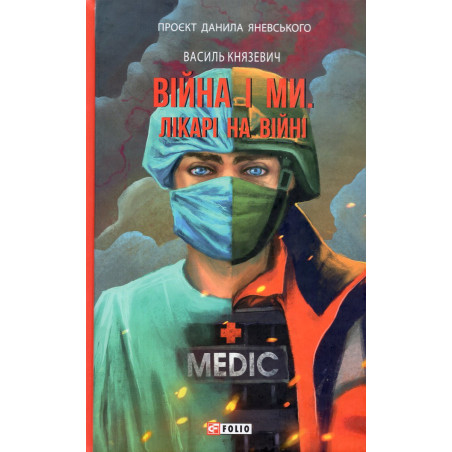
This book was created on the basis of video meetings with doctors from different regions of Ukraine, in which Vasyl Knyazevich, with the participation of Danylo Yanevskyi, talked with specialists in various fields of medicine about strategies and tactics for survival and recovery of the physical and mental state of Ukrainians after the beginning of the full-scale invasion of the Russian...
This book was created on the basis of video meetings with doctors from different regions of Ukraine, in which Vasyl Knyazevich, with the participation of Danylo Yanevskyi, talked with specialists in various fields of medicine about strategies and tactics for survival and recovery of the physical and mental state of Ukrainians after the beginning of the full-scale invasion of the Russian...
Diese Gesamtgeschichte des Ersten Weltkriegs ist konkurrenzlos. Noch nie wurde die Urkatastrophe des 20. Jahrhunderts so vielschichtig erzählt: europäisch vergleichend, global in der Perspektive, souverän in der Darstellung.
Diese Gesamtgeschichte des Ersten Weltkriegs ist konkurrenzlos. Noch nie wurde die Urkatastrophe des 20. Jahrhunderts so vielschichtig erzählt: europäisch vergleichend, global in der Perspektive, souverän in der Darstellung.
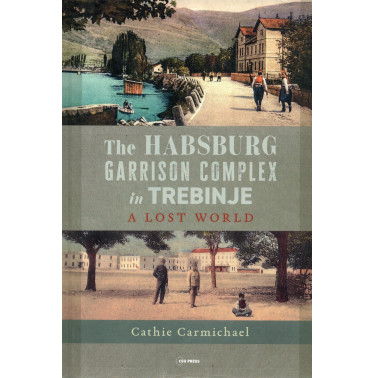
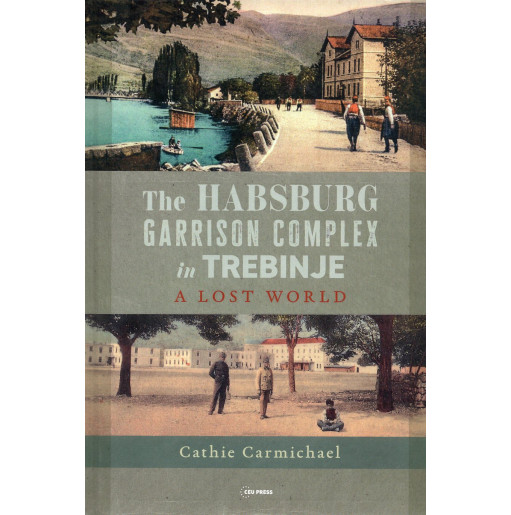
Following the imposition of Habsburg rule on Ottoman Bosnia in 1878, a new garrison was constructed in the old citadel of Trebinje. By using a micro-historical approach, this innovative book tells the story of the garrison in times of peace and war, describing the way in which the Austro-Hungarian administration rapidly transformed Trebinje into a tree-lined city dominated by the army.
Following the imposition of Habsburg rule on Ottoman Bosnia in 1878, a new garrison was constructed in the old citadel of Trebinje. By using a micro-historical approach, this innovative book tells the story of the garrison in times of peace and war, describing the way in which the Austro-Hungarian administration rapidly transformed Trebinje into a tree-lined city dominated by the army.
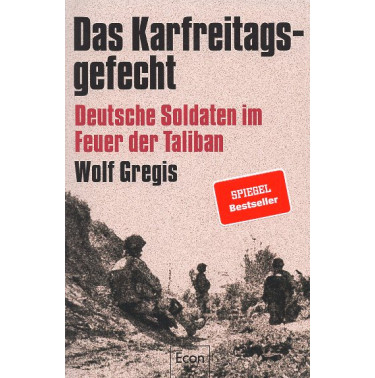
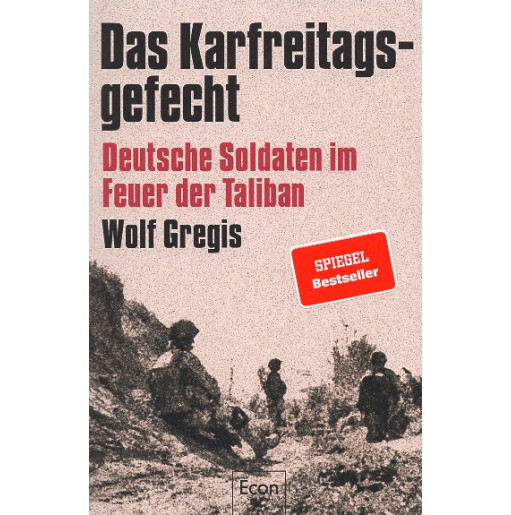
Das bekannteste und folgenreichste Gefecht in der Geschichte der Bundeswehr fand am Karfreitag, dem 2. April 2010, bei Kunduz statt. Deutsche Soldaten gerieten in einen Hinterhalt und kämpften mehr als acht Stunden gegen eine Überzahl von Taliban. Drei Soldaten fielen, fünf wurden verwundet, sechs afghanische Soldaten kamen durch »friendly fire« der Deutschen ums Leben. Zwei Tage später...
Das bekannteste und folgenreichste Gefecht in der Geschichte der Bundeswehr fand am Karfreitag, dem 2. April 2010, bei Kunduz statt. Deutsche Soldaten gerieten in einen Hinterhalt und kämpften mehr als acht Stunden gegen eine Überzahl von Taliban. Drei Soldaten fielen, fünf wurden verwundet, sechs afghanische Soldaten kamen durch »friendly fire« der Deutschen ums Leben. Zwei Tage später...