To give you the best possible experience, this site uses cookies. Using your site means your agree to our use of cookies. We have published a new cookies policy, which you should need to find out more about the cookies we use. View Cookies Policy.
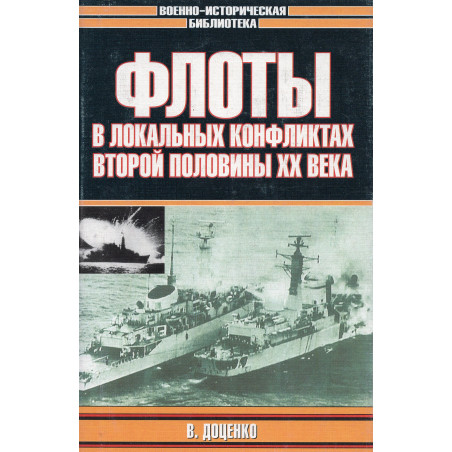
The second half of the 20th Century was marked by local conflicts: Korea, Vietnam, Falkland Islands, the Persian Gulf, etc. In each of these conflicts, naval forces played a critical role.
The second half of the 20th Century was marked by local conflicts: Korea, Vietnam, Falkland Islands, the Persian Gulf, etc. In each of these conflicts, naval forces played a critical role.
War... This word is associated with many contradictory, sometimes repulsive images. It's not only the thunder of battles, lightning-fast attacks, bravura marches and victory parades, but also rows of chimneys in burnt-out villages, ‘death trenches,’ mass graves, the roar of collapsing buildings, the groans of mutilated, dying people, and fear in the eyes of children. War is the stench of fires...
War... This word is associated with many contradictory, sometimes repulsive images. It's not only the thunder of battles, lightning-fast attacks, bravura marches and victory parades, but also rows of chimneys in burnt-out villages, ‘death trenches,’ mass graves, the roar of collapsing buildings, the groans of mutilated, dying people, and fear in the eyes of children. War is the stench of fires...
Based on identified trends of the armed conflict, the author has examined the nature of air, ground and naval operations in the wars of the first half of the 21st century. He has also highlighted the meaning of military operations in space and information warfare. He also examines the peculiarities of the fight with modern terrorism.
Based on identified trends of the armed conflict, the author has examined the nature of air, ground and naval operations in the wars of the first half of the 21st century. He has also highlighted the meaning of military operations in space and information warfare. He also examines the peculiarities of the fight with modern terrorism.
The author examines the history of the Russian volunteer movement from 1824-1941, Russian citizens or immigrants fighting with foreign armies. In particular the book highlights Russian volunteers fighting in the English-Boer war (1898-1902), Paraguay-Bolivia (1932-1935), the Balkans in the late 19th century, China (1924-1940) and more.
The author examines the history of the Russian volunteer movement from 1824-1941, Russian citizens or immigrants fighting with foreign armies. In particular the book highlights Russian volunteers fighting in the English-Boer war (1898-1902), Paraguay-Bolivia (1932-1935), the Balkans in the late 19th century, China (1924-1940) and more.
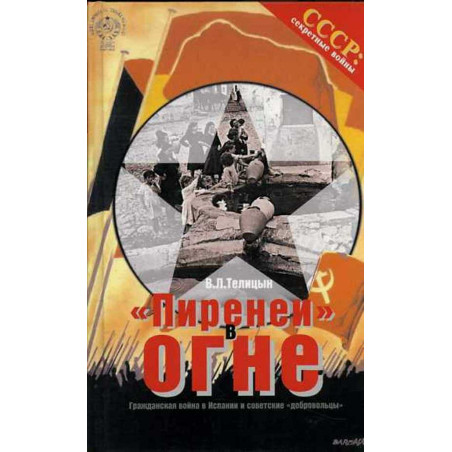
This book by the renowned Russian historian, Doctor of Historical Sciences V. Telitsyn, is the first to describe the history of the Spanish Civil War without ideological bias, which fundamentally distinguishes it from similar publications that appeared in the USSR. It is a truthful and unembellished account of Soviet military specialists and advisors fulfilling their patriotic duty abroad, a...
This book by the renowned Russian historian, Doctor of Historical Sciences V. Telitsyn, is the first to describe the history of the Spanish Civil War without ideological bias, which fundamentally distinguishes it from similar publications that appeared in the USSR. It is a truthful and unembellished account of Soviet military specialists and advisors fulfilling their patriotic duty abroad, a...
The book by the famous researcher of the history of the Russian fleet I. I. Firsov is dedicated to Yuri Fedorovich Lisyansky, who belongs to the glorious tribe of discoverers and trailblazers. His name is mentioned eight times on the world map. He was three times the first: he was the first to sail around the world under the Russian flag, the first to pave the way across the seas and oceans...
The book by the famous researcher of the history of the Russian fleet I. I. Firsov is dedicated to Yuri Fedorovich Lisyansky, who belongs to the glorious tribe of discoverers and trailblazers. His name is mentioned eight times on the world map. He was three times the first: he was the first to sail around the world under the Russian flag, the first to pave the way across the seas and oceans...
The book examines the philosophical and legal concept of war and the gight against international terrorism in different democracies. The crisis of democracies on issues of war and peace. The essence and nature of wars waged by democratic states. Methods of warfare employed by democratic states. Civilizations and wars: history and modernity. The humanization of military policy and military...
The book examines the philosophical and legal concept of war and the gight against international terrorism in different democracies. The crisis of democracies on issues of war and peace. The essence and nature of wars waged by democratic states. Methods of warfare employed by democratic states. Civilizations and wars: history and modernity. The humanization of military policy and military...
In the series Militaria antiqua. The book examines the military-political history of the Bosporan Kingdom through the first three centuries AD. During this time, the former Roman province prospered as a client state of Rome. Its king led campaigns against and defeated the Scyths and consolidated power around the Black Sea, including such modern day cities such as Kerch.
In the series Militaria antiqua. The book examines the military-political history of the Bosporan Kingdom through the first three centuries AD. During this time, the former Roman province prospered as a client state of Rome. Its king led campaigns against and defeated the Scyths and consolidated power around the Black Sea, including such modern day cities such as Kerch.
From Publishers Weekly: Its first half is a narrative and analysis of the military campaign that overthrew Saddam Hussein's government in three weeks during the spring of 2003. Clark, a highly visible commentator during the operation, describes the U.S. ability to synchronize firepower and maneuvers as decisive in crushing an Iraqi army whose fighting power had been significantly...
From Publishers Weekly: Its first half is a narrative and analysis of the military campaign that overthrew Saddam Hussein's government in three weeks during the spring of 2003. Clark, a highly visible commentator during the operation, describes the U.S. ability to synchronize firepower and maneuvers as decisive in crushing an Iraqi army whose fighting power had been significantly...








![Russkie dobrovol'tsy [Russian Volunteers]](https://bergstrompressbooks.com/5238-home_default/russkie-dobrovol-tsy-russian-volunteers-.jpg)
![Russkie dobrovol'tsy [Russian Volunteers]](https://bergstrompressbooks.com/5238-medium_default/russkie-dobrovol-tsy-russian-volunteers-.jpg)
![Zimniaia voina [The Winter War]](https://bergstrompressbooks.com/3506-home_default/zimniaia-voina-the-winter-war-.jpg)
![Kak pobedit' v sovremennoi voine.Irak Terrorizm i Amerikanskaia Imperiia Winning Modern Wars]](https://bergstrompressbooks.com/3458-home_default/kak-pobedit-v-sovremennoi-voineirak-terrorizm-i-amerikanskaia-imperiia-winning-modern-wars-.jpg)
![Zimniaia voina [The Winter War]](https://bergstrompressbooks.com/3506-medium_default/zimniaia-voina-the-winter-war-.jpg)
![Kak pobedit' v sovremennoi voine.Irak Terrorizm i Amerikanskaia Imperiia Winning Modern Wars]](https://bergstrompressbooks.com/3458-medium_default/kak-pobedit-v-sovremennoi-voineirak-terrorizm-i-amerikanskaia-imperiia-winning-modern-wars-.jpg)