To give you the best possible experience, this site uses cookies. Using your site means your agree to our use of cookies. We have published a new cookies policy, which you should need to find out more about the cookies we use. View Cookies Policy.
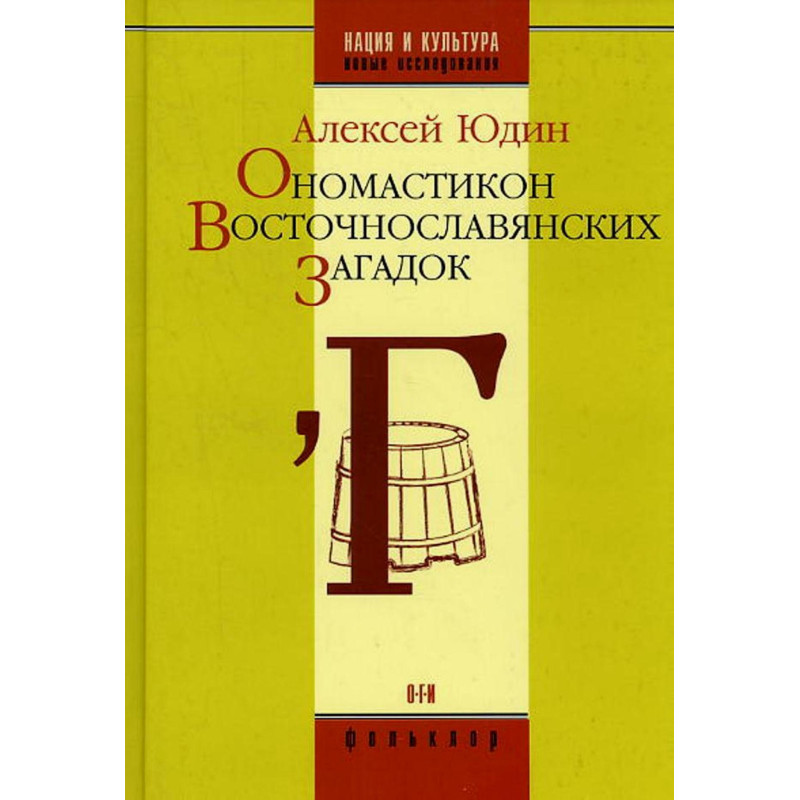
This book constitutes the first dictionary in the fields of East Slavic folklore studies and ethnolinguistics to catalog proper names appearing in Belarusian, Russian, and Ukrainian riddles. The material, collected and systematized by the author, significantly expands our understanding of the East Slavic worldview, as well as the typology of riddles and related genres. The first part of the book provides information on which proper names are employed to encode specific phenomena. The second part is devoted to instances where proper names are utilized for purposes other than encoding.
Delivery policy(edit with the Customer Reassurance module)
Return policy(edit with the Customer Reassurance module)
This book constitutes the first dictionary in the fields of East Slavic folklore studies and ethnolinguistics to catalog proper names appearing in Belarusian, Russian, and Ukrainian riddles. The material, collected and systematized by the author, significantly expands our understanding of the East Slavic worldview, as well as the typology of riddles and related genres. The first part of the book provides information on which proper names are employed to encode specific phenomena. The second part is devoted to instances where proper names are utilized for purposes other than encoding.
1 Artikel
Technische Daten
Autor/-in
Iudin Aleksei
Verlag
OGI
ISBN
9785942823078
Format
Hardcover
Year Published
2007
Seiten
120
No customer reviews for the moment.
This book constitutes the first dictionary in the fields of East Slavic folklore studies and ethnolinguistics to catalog proper names appearing in Belarusian, Russian, and Ukrainian riddles. The material, collected and systematized by the author, significantly expands our understanding of the East Slavic worldview, as well as the typology of riddles and related genres. The first part of the book provides information on which proper names are employed to encode specific phenomena. The second part is devoted to instances where proper names are utilized for purposes other than encoding.




 Delivery policy(edit with the Customer Reassurance module)
 Return policy(edit with the Customer Reassurance module)