To give you the best possible experience, this site uses cookies. Using your site means your agree to our use of cookies. We have published a new cookies policy, which you should need to find out more about the cookies we use. View Cookies Policy.
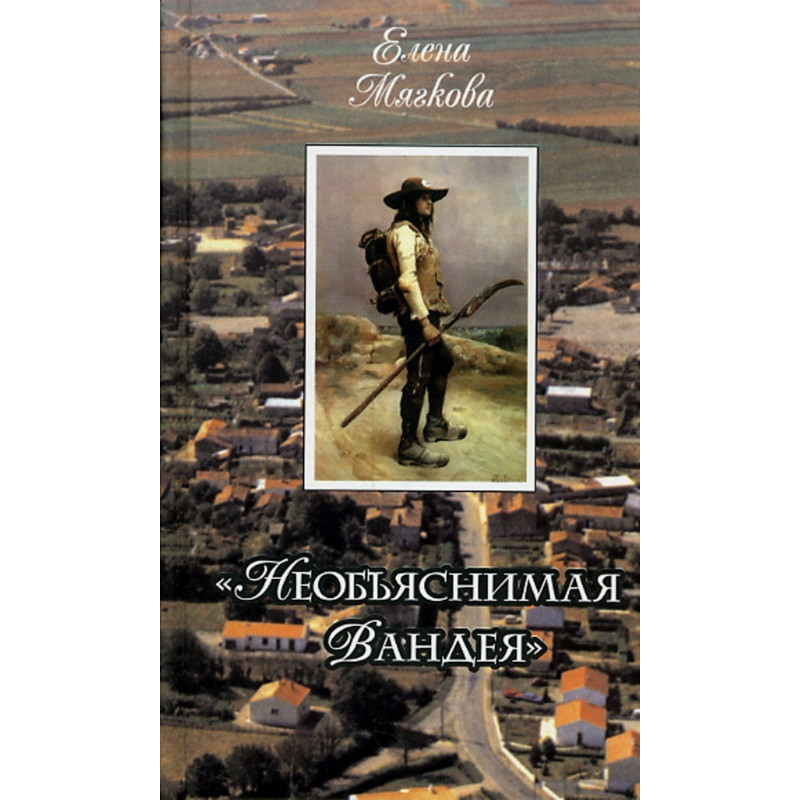
Neob''iasnimaia Vandeia: sel'skii mir na zapade Frantsii v XVII-XVIII vekakh
Review(0)
18,36 $
22,95 $
20% sparen
Nur noch wenige Teile verfügbar
Presented here is the first study in domestic historiography to examine one of the most dramatic episodes of the French Revolution: the civil war in the country's western regions (1793–1796). For Soviet historians, the powerful peasant protest against the policies of the new regime long remained a taboo subject. Drawing upon the insights of historical anthropology and agrarian history, as well as the latest methodological approaches, the author explores the distinctive features of self-identity and self-organization, the modes of economic activity, and the nature of social engagement within rural society during this transitional era between two epochs.
Delivery policy(edit with the Customer Reassurance module)
Return policy(edit with the Customer Reassurance module)
Presented here is the first study in domestic historiography to examine one of the most dramatic episodes of the French Revolution: the civil war in the country's western regions (1793–1796). For Soviet historians, the powerful peasant protest against the policies of the new regime long remained a taboo subject. Drawing upon the insights of historical anthropology and agrarian history, as well as the latest methodological approaches, the author explores the distinctive features of self-identity and self-organization, the modes of economic activity, and the nature of social engagement within rural society during this transitional era between two epochs.
2 Artikel
Technische Daten
Autor/-in
Miagkova E
Verlag
Academia
ISBN
5874442294
Format
Hardcover
Year Published
2006
Seiten
288
No customer reviews for the moment.
Presented here is the first study in domestic historiography to examine one of the most dramatic episodes of the French Revolution: the civil war in the country's western regions (1793–1796). For Soviet historians, the powerful peasant protest against the policies of the new regime long remained a taboo subject. Drawing upon the insights of historical anthropology and agrarian history, as well as the latest methodological approaches, the author explores the distinctive features of self-identity and self-organization, the modes of economic activity, and the nature of social engagement within rural society during this transitional era between two epochs.




 Delivery policy(edit with the Customer Reassurance module)
 Return policy(edit with the Customer Reassurance module)