To give you the best possible experience, this site uses cookies. Using your site means your agree to our use of cookies. We have published a new cookies policy, which you should need to find out more about the cookies we use. View Cookies Policy.
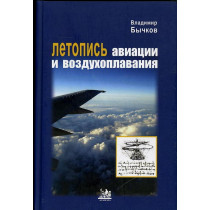
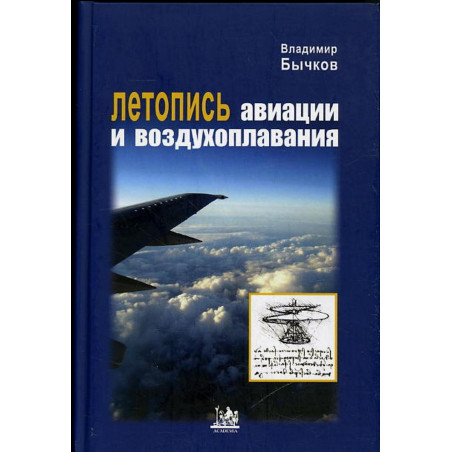
A detailed, rich history of flight from ancient to modern times. The book also describes the development of aviation in Russia and includes discussion of powered and non-powered (ballon) flight.
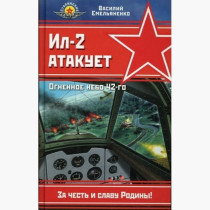
In 1932, Vasily Emelyanenko, a student at the Moscow Conservatory, had no idea that his decision to leave the conservatory, join a flying club, and train as a pilot would lead him to the then-yet-to-be-established title of Hero of the Soviet Union. But to earn this title, he had to complete 92 combat sorties to attack the enemy in 1942-1943 – one of the most difficult periods for the country,...
An air battle tactic first used in 1914 (by a Russian pilot), ramming the enemy's aircraft with your own was a last-ditch effort to stop a bombing raid. Russian pilots used this tactic over 1000 times during World War Two - often if their airplane was already damaged or out of ammunition. Unlike a kamikaze, these were not considered suicide missions, as the pilot might try to bail out after...
The book is well-known British researcher Peter Smith devoted to the history of a dive bomber aircraft since the advent of this class and completing their application in the sky Vietnam. The author gives a detailed description of the tactics of air combat dive bombers and tells about the most famous pilots of aces of World War II.
The author of the book flew 997 confirmed night missions in an open cockpit of a Po-2. Flying at low altitudes, often too low to safely parachute out of a damaged aircraft, the pilots of these machines often flew nighttime low level bombing raids or reconaissance missions.
The author was a fighter pilot for the Soviet Union during World War II. He was made a Hero of the Soviet Union on two separate occasions (24 May, 1943 and July 1, 1944). He scored 61 confirmed personal victories and 4 additional shared victories in air combat. As such, he is the third highest scoring Soviet pilot in World War II. He began the war in the air over Moldova in 1941.