To give you the best possible experience, this site uses cookies. Using your site means your agree to our use of cookies. We have published a new cookies policy, which you should need to find out more about the cookies we use. View Cookies Policy.
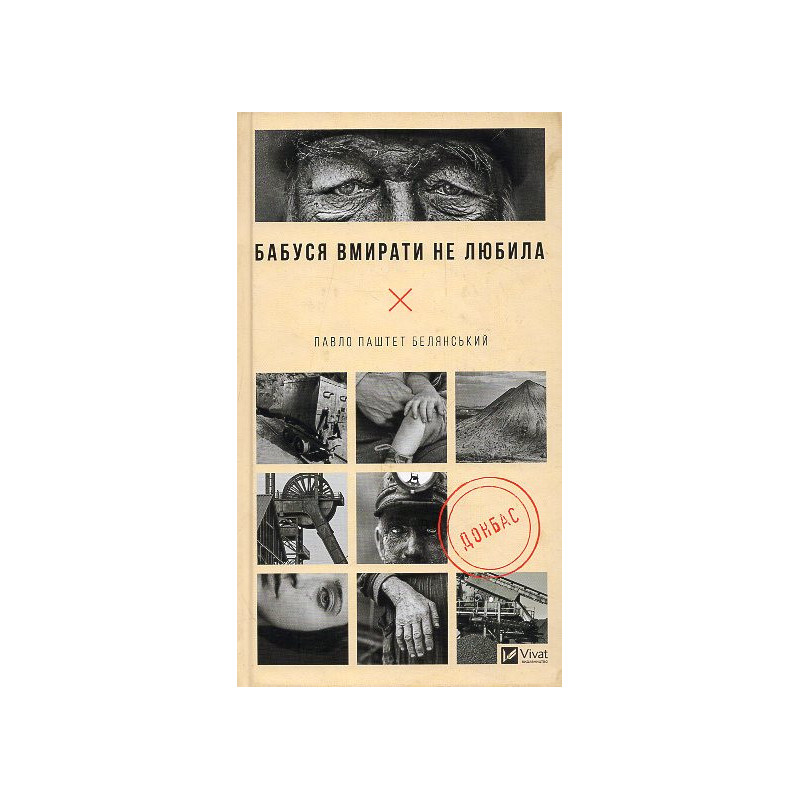
Babusia vmyraty ne liubyla [Grandma Didn’t Like Dying]
Review(0)
$28.95
Last items in stock
A mining settlement. Three generations of a single family. People trying to live in the intervals between wars. *Grandma Didn’t Like Dying* is an autobiographical book, as the author writes about his own family. At the same time, it is universal, describing events, phenomena, characters, and destinies that offer insight into the Donbas—and the people who live there. In recent years, this region seemed to have become a chapter from our past—but now, it is transforming into a chapter of our future. It will be easier for us to make sense of it if we take a closer look. The book you hold in your hands will help everyone do just that.
Delivery policyAll items in stock should ship within 24 hours.
A mining settlement. Three generations of a single family. People trying to live in the intervals between wars. *Grandma Didn’t Like Dying* is an autobiographical book, as the author writes about his own family. At the same time, it is universal, describing events, phenomena, characters, and destinies that offer insight into the Donbas—and the people who live there. In recent years, this region seemed to have become a chapter from our past—but now, it is transforming into a chapter of our future. It will be easier for us to make sense of it if we take a closer look. The book you hold in your hands will help everyone do just that.
1 Item
Data sheet
Author
Belianskyi Pavlo 'Pashtet'
Publisher
Vivat Publishing
ISBN
9786171703230
Format
Hardcover
Year Published
2024
Pages
224
No customer reviews for the moment.
A mining settlement. Three generations of a single family. People trying to live in the intervals between wars. *Grandma Didn’t Like Dying* is an autobiographical book, as the author writes about his own family. At the same time, it is universal, describing events, phenomena, characters, and destinies that offer insight into the Donbas—and the people who live there. In recent years, this region seemed to have become a chapter from our past—but now, it is transforming into a chapter of our future. It will be easier for us to make sense of it if we take a closer look. The book you hold in your hands will help everyone do just that.




 Delivery policyAll items in stock should ship within 24 hours.
 Return policyOur return policy