To give you the best possible experience, this site uses cookies. Using your site means your agree to our use of cookies. We have published a new cookies policy, which you should need to find out more about the cookies we use. View Cookies Policy.
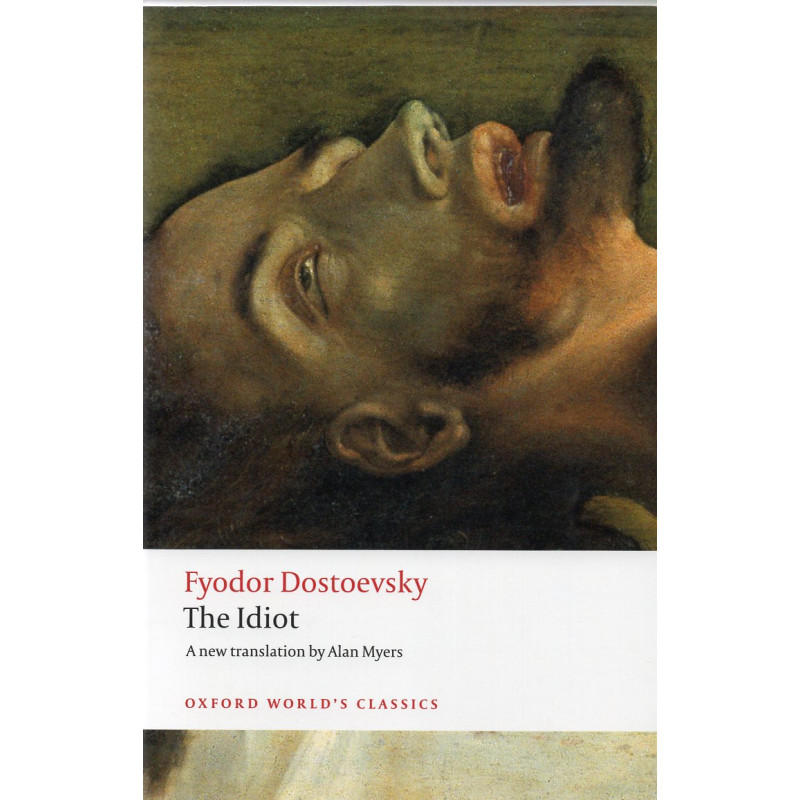
The Idiot (1868), written under the appalling personal circumstances Dostoevsky endured while travelling in Europe, not only reveals the author's acute artistic sense and penetrating psychological insight, but also affords his most powerful indictment of a Russia struggling to emulate contemporary Europe while sinking under the weight of Western materialism. It is the portrait of nineteenth-century Russian society in which a 'positively good man' clashes with the emptiness of a society that cannot accommodate his moral idealism. Meticulously faithful to the original, this new translation includes explanatory notes and a critical introduction by W.J. Leatherbarrow.
Delivery policyAll items in stock should ship within 24 hours.
The Idiot (1868), written under the appalling personal circumstances Dostoevsky endured while travelling in Europe, not only reveals the author's acute artistic sense and penetrating psychological insight, but also affords his most powerful indictment of a Russia struggling to emulate contemporary Europe while sinking under the weight of Western materialism. It is the portrait of nineteenth-century Russian society in which a 'positively good man' clashes with the emptiness of a society that cannot accommodate his moral idealism. Meticulously faithful to the original, this new translation includes explanatory notes and a critical introduction by W.J. Leatherbarrow.
1 Item
Data sheet
Author
Dostoevsky Fyodor
Publisher
OXFORD UNIV PRESS-TRADE
Oxford University Press
ISBN
9780199536399
Format
Paperback
Year Published
2008
Pages
658
No customer reviews for the moment.
The Idiot (1868), written under the appalling personal circumstances Dostoevsky endured while travelling in Europe, not only reveals the author's acute artistic sense and penetrating psychological insight, but also affords his most powerful indictment of a Russia struggling to emulate contemporary Europe while sinking under the weight of Western materialism. It is the portrait of nineteenth-century Russian society in which a 'positively good man' clashes with the emptiness of a society that cannot accommodate his moral idealism. Meticulously faithful to the original, this new translation includes explanatory notes and a critical introduction by W.J. Leatherbarrow.



 Delivery policyAll items in stock should ship within 24 hours.
 Return policyOur return policy