To give you the best possible experience, this site uses cookies. Using your site means your agree to our use of cookies. We have published a new cookies policy, which you should need to find out more about the cookies we use. View Cookies Policy.
This two volume history examines the life of Russia and its population during World War Two. Attention is paid to the effects of major battles to the surrounding areas. The principles of leadership of the armed struggle, economic confrontation of the parties, foreign policy and diplomacy of the Soviet state are reviewed. The conditions of life of all strata of the population and their...
This two volume history examines the life of Russia and its population during World War Two. Attention is paid to the effects of major battles to the surrounding areas. The principles of leadership of the armed struggle, economic confrontation of the parties, foreign policy and diplomacy of the Soviet state are reviewed. The conditions of life of all strata of the population and their...
The author maintains that the epoch of Russian history of Tsar Mikhail Fedorovich was as bright and as interesting as the era of the musketeers in France or revolutionary England. He seeks to enlighten and introduce the colorful figures of this time to the reader.
The author maintains that the epoch of Russian history of Tsar Mikhail Fedorovich was as bright and as interesting as the era of the musketeers in France or revolutionary England. He seeks to enlighten and introduce the colorful figures of this time to the reader.
The author, using Russian history as a guide, makes a scandalous proposal for understanding the formation of the present Russian government based on the development of the Russian (Tsarist) state.
The author, using Russian history as a guide, makes a scandalous proposal for understanding the formation of the present Russian government based on the development of the Russian (Tsarist) state.
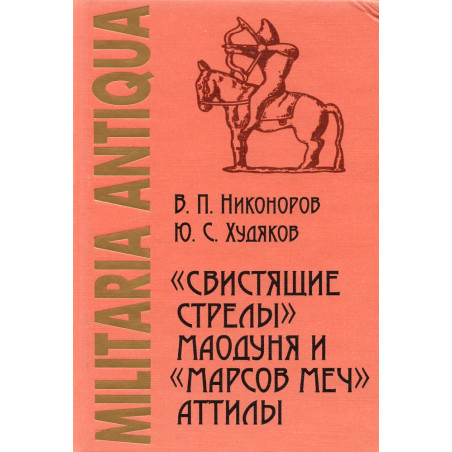
The book examines the military art and arms of the Central Asian nomads, the Huns from their appearance and threat to the Chinese in the 3rd century BC (Xiongnu) to their final movement into Europe in the 4th century under Attila defeating the Ostrogoths and the Visigoths, which brought them to the frontier of the Roman Empire.
The book examines the military art and arms of the Central Asian nomads, the Huns from their appearance and threat to the Chinese in the 3rd century BC (Xiongnu) to their final movement into Europe in the 4th century under Attila defeating the Ostrogoths and the Visigoths, which brought them to the frontier of the Roman Empire.








![Voina i obshchestvo 1941-1945 v 2-kh knigakh [War and Society 1941-1945 in 2 books]](https://bergstrompressbooks.com/4200-home_default/voina-i-obshchestvo-1941-1945-v-2-kh-knigakh-war-and-society-1941-1945-in-2-books-.jpg)
![Neizvestnaia voina Petra Velikogo [Unknown War of Peter the Great]](https://bergstrompressbooks.com/3940-home_default/neizvestnaia-voina-petra-velikogo-unknown-war-of-peter-the-great-.jpg)

![Voina i obshchestvo 1941-1945 v 2-kh knigakh [War and Society 1941-1945 in 2 books]](https://bergstrompressbooks.com/4200-medium_default/voina-i-obshchestvo-1941-1945-v-2-kh-knigakh-war-and-society-1941-1945-in-2-books-.jpg)
![Neizvestnaia voina Petra Velikogo [Unknown War of Peter the Great]](https://bergstrompressbooks.com/3940-medium_default/neizvestnaia-voina-petra-velikogo-unknown-war-of-peter-the-great-.jpg)