To give you the best possible experience, this site uses cookies. Using your site means your agree to our use of cookies. We have published a new cookies policy, which you should need to find out more about the cookies we use. View Cookies Policy.
Dostoevsky’s 'Crime and Punishment': A Reader’s Guide
Review(0)
29,95 $
Останні товари на складі
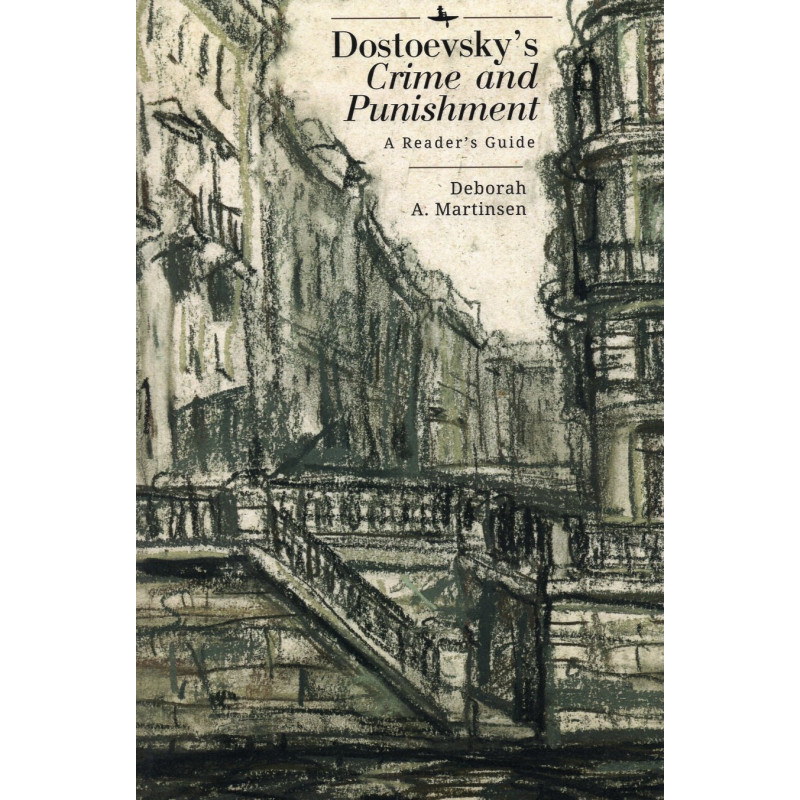
Martinsen demonstrates how Dostoevsky first plunges the reader into Raskolnikov’s fevered brain, creating sympathy for him, and she explains why most readers root for him to get away from the scene of the crime. Dostoevsky subsequently provides outsider perspectives on Raskolnikov’s thinking, effecting a conversion in reader sympathy. By examining the multiple justifications for murder Raskolnikov gives as he confesses to Sonya, Dostoevsky debunks rationality-based theories. Finally, the question of why Raskolnikov and others, including the reader, focus on the murder of the pawnbroker and forget the unintended murder of Lizaveta reveals a narrative strategy based on shame and guilt.
Delivery policy(edit with the Customer Reassurance module)
Return policy(edit with the Customer Reassurance module)
Martinsen demonstrates how Dostoevsky first plunges the reader into Raskolnikov’s fevered brain, creating sympathy for him, and she explains why most readers root for him to get away from the scene of the crime. Dostoevsky subsequently provides outsider perspectives on Raskolnikov’s thinking, effecting a conversion in reader sympathy. By examining the multiple justifications for murder Raskolnikov gives as he confesses to Sonya, Dostoevsky debunks rationality-based theories. Finally, the question of why Raskolnikov and others, including the reader, focus on the murder of the pawnbroker and forget the unintended murder of Lizaveta reveals a narrative strategy based on shame and guilt.
1 Товар
Характеристики
Автор
Martinsen Deborah A.
Видавництво
Academic Studies Press
ISBN
9781644697849
Палітурка
Paperback
Year Published
2022
сторінки
134
No customer reviews for the moment.
Martinsen demonstrates how Dostoevsky first plunges the reader into Raskolnikov’s fevered brain, creating sympathy for him, and she explains why most readers root for him to get away from the scene of the crime. Dostoevsky subsequently provides outsider perspectives on Raskolnikov’s thinking, effecting a conversion in reader sympathy. By examining the multiple justifications for murder Raskolnikov gives as he confesses to Sonya, Dostoevsky debunks rationality-based theories. Finally, the question of why Raskolnikov and others, including the reader, focus on the murder of the pawnbroker and forget the unintended murder of Lizaveta reveals a narrative strategy based on shame and guilt.




 Delivery policy(edit with the Customer Reassurance module)
 Return policy(edit with the Customer Reassurance module)